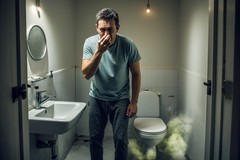
Walking into your bathroom and being hit with the unmistakable stench of sewage is enough to ruin anyone's morning. It is a smell that signals something is wrong somewhere in your plumbing or drainage, and it rarely goes away on its own. If you have found yourself asking why does the bathroom smell like sewage, you are not alone. It is one of the most common household odor complaints we hear, and the causes range from simple, fixable issues to serious problems that call for emergency restoration services in Louisville and its surrounding areas.
The good news is that pinpointing the source is usually straightforward once you understand how your bathroom plumbing is designed to keep foul air out. Below, we walk through the most likely culprits, what you can do about them, and when the situation warrants professional help.
The Usual Suspects Behind a Sudden Sewage Smell
Every drain in your home connects to a network of pipes that carry waste away and vent sewer gases safely up and out through the roof. When that system works properly, you never notice it. When something breaks down, the gases have nowhere to go but back into your living space. Sewer gas is a mix of methane, hydrogen sulfide, and other compounds, which is where that rotten-egg odor comes from.
One of the most frequent reasons why does the bathroom smell like sewage comes down to a dried-out P-trap. That curved section of pipe beneath your sink, tub, or floor drain holds a small amount of water that acts as a barrier against sewer gas. If a fixture goes unused for a while, such as a guest bathroom or a rarely used shower, the water evaporates and the barrier disappears. Running water down the drain for a minute often solves this instantly.
Other common causes include a damaged or clogged vent pipe, a loose or degraded wax ring under the toilet, cracked drain lines hidden behind walls or under floors, and buildup of bacteria and organic matter inside the drain itself. Each of these allows odors to escape at a different point, so tracing where the smell is strongest can help you narrow it down.
Start With the Easy Checks
Before assuming the worst, run through a few simple steps that resolve the majority of minor odor issues. Many homeowners are surprised at how quickly the smell disappears once a dried trap is refilled or a slow drain is cleared.
- Run water in every sink, tub, and floor drain to refill the P-traps, then pour a small amount of mineral oil down seldom-used drains to slow future evaporation.
- Clean out visible drain buildup, since hair, soap scum, and bacteria can produce their own foul odor near the surface.
- Check the base of your toilet for any rocking or moisture, which can point to a failed wax ring seal.
- Make sure your roof vent is not blocked by leaves, a bird nest, or debris that prevents gases from escaping upward.
If you work through these and the odor lingers, the problem is likely deeper in the system and worth a closer look. Persistent smells that return day after day usually mean a mechanical failure or a leak somewhere out of sight.
When the Smell Points to Something Serious
Sometimes the answer to why does the bathroom smell like sewage is not a quick fix at all. A cracked drain line beneath a slab foundation, a collapsed sewer main, or a backup in the municipal line can push contaminated water and gases into your home. In these cases the odor is often accompanied by other warning signs: gurgling drains, water backing up in the tub when you flush, slow drainage throughout the house, or damp spots on floors and walls.
A sewage backup is more than an unpleasant smell. The water involved, often called black water, carries bacteria, viruses, and other pathogens that pose real health risks. Standing sewage can also soak into subfloors, drywall, and cabinetry, creating the perfect conditions for mold to take hold within a day or two. If you notice water coming back up through a drain or spreading across the floor, it is time to stop troubleshooting and call in professionals who handle contaminated water safely.
Why Professional Cleanup Matters
It can be tempting to mop up a small sewage backup yourself and move on, but the risks often outweigh the savings. Improperly cleaned sewage leaves behind bacteria and lingering odors that ordinary household products cannot fully neutralize. Moisture trapped in porous materials continues to feed mold growth long after the visible mess is gone, which is why many homeowners who thought they solved the problem find themselves dealing with a musty smell weeks later.
Professional restoration goes beyond surface cleaning. Trained technicians use commercial-grade extraction equipment, antimicrobial treatments, and moisture detection tools to make sure the area is thoroughly dried and decontaminated. When sewage is involved, this crosses into biohazard territory, and it requires the right protective equipment and disposal procedures. Whether you need help in Kentucky or are looking for biohazard cleanup in New Albany, IN, the process is designed to protect your family's health and the structural integrity of your home. If you are worried the moisture has already led to spores, our certified mold removal in Louisville and its nearby cities can assess and address that as well.
Preventing Future Odor Problems
Once you have solved the immediate issue, a few habits keep sewage smells from returning. Run water regularly in guest bathrooms and floor drains so the traps stay full. Schedule occasional drain cleaning to prevent buildup, and have your plumbing inspected if your home is older or has a history of line problems. Keeping your roof vent clear and addressing slow drains before they become full clogs also goes a long way.
Being aware of the early warning signs helps too. Gurgling sounds, drains that empty slowly, and faint odors that come and go are often the first hints of a developing problem. Catching these early can save you from a full backup down the road.
Understanding why does the bathroom smell like sewage empowers you to act quickly, whether the fix is as simple as refilling a dry P-trap or as serious as a contaminated backup that needs professional attention. Most minor odors resolve with a little troubleshooting, but when water is backing up or the smell will not leave, do not take chances with your health or your home.
Purofirst Disaster Services is ready to help homeowners throughout Louisville and the surrounding communities respond to sewage issues, water damage, and biohazard concerns around the clock. If a foul smell has turned into a bigger mess, reach out to our team for a prompt assessment and let us restore your home to a clean, safe, and comfortable space.