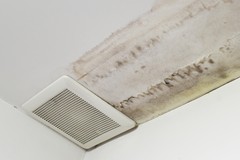
Mold can begin growing within 24 to 48 hours of a water intrusion, which is why acting quickly after a leak, flood, or burst pipe matters so much. Whether the water came from a storm, a failed appliance, or a slow leak behind a wall, the moisture left behind creates the perfect environment for spores to take hold. If you are dealing with the aftermath of a water event and need professional help, our damage restoration services in Louisville and the surrounding communities can help you assess the situation before a small problem becomes a costly one.
Knowing when and how to check for mold after water damage gives you a real advantage. Mold does not always announce itself. It can hide beneath flooring, inside drywall, and in corners you rarely see. This guide walks through the timing, the warning signs, and the practical steps homeowners in Louisville and the surrounding areas can take to protect their property and their health.
Why Timing Is Everything
The relationship between water and mold is simple: where there is lingering moisture, mold follows. Most common household molds only need a damp surface, organic material like wood or paper, and a little time. After a water event, the clock starts almost immediately. Within the first day or two, colonies can begin forming on wet drywall, carpet padding, and baseboards.
This is why you should check for mold after water damage sooner rather than later. Waiting a week to see if things dry out on their own often allows hidden growth to spread. Even if the visible surfaces appear dry, moisture can remain trapped in wall cavities, subfloors, and insulation. Addressing water damage promptly with proper drying and dehumidification is the single best way to prevent mold from gaining a foothold in the first place.
Early Warning Signs to Watch For
Your senses are often the first detection tool you have. A musty, earthy odor is one of the most reliable indicators that mold may be present, even when you cannot see it. That smell tends to linger in basements, closets, and rooms that stayed damp the longest. If a space smells different after a water event, treat it as a signal worth investigating.
Visual clues matter too. Discoloration on walls and ceilings, peeling paint, warped or buckling flooring, and dark spotting around baseboards can all point to moisture problems that encourage mold. Health symptoms can also offer hints. Increased sneezing, coughing, congestion, or eye irritation that improves when you leave the house may suggest a hidden issue. None of these signs guarantee mold, but together they tell you it is time to look closer.
How to Check for Mold After Water Damage
Once you suspect a problem, a methodical inspection helps you understand the scope. Start with the areas that were directly affected by water, then expand outward to adjacent spaces. Mold often travels beyond the obvious wet zone, following moisture through shared walls and under flooring.
- Inspect walls and ceilings for staining, bubbling paint, or soft spots, and gently feel for dampness near the baseboards.
- Pull back carpet edges and check the padding and subfloor, since these materials hold water long after the surface feels dry.
- Look behind and beneath furniture, appliances, and cabinets where airflow is limited and moisture lingers.
- Examine basements, crawl spaces, and utility rooms, paying attention to any musty odor or visible growth on framing.
- Use a flashlight to check dark corners and a moisture meter, if you have one, to detect dampness you cannot see.
When you check for mold after water damage, remember that growth is often hidden inside wall cavities and under flooring where a visual inspection alone cannot reach. If you find extensive staining, a strong persistent odor, or any sizable patch of growth, it is wise to stop and call a professional rather than disturbing it yourself. Cutting into contaminated drywall can release spores throughout the home.
When to Call a Professional
Small, isolated spots on a hard, non-porous surface can sometimes be cleaned by a homeowner with proper care. However, there are clear situations that call for expert help. If mold covers a large area, keeps returning after cleaning, or appears on porous materials like drywall and insulation, professional remediation is the safer path. The same is true if anyone in the household has respiratory sensitivities.
Professionals bring specialized equipment to detect hidden moisture, contain affected areas, and remove contamination without spreading spores. Our team handles both the water source and the aftermath, which matters because treating mold without addressing the underlying moisture only invites it back. You can learn more about our certified mold removal in Louisville and beyond and how we approach each inspection with your property and your health in mind. For homes just north of the metro, we also provide mold removal and remediation in Goshen, KY and neighboring communities.
Preventing Mold Before It Starts
The most effective way to deal with mold is to never let it establish itself. That begins with thorough drying after any water intrusion. Removing standing water quickly, pulling up saturated carpet and padding, and running dehumidifiers and air movers for several days helps bring moisture levels back to normal. Opening windows and improving airflow in affected rooms also speeds the process.
Addressing the source is just as important. A roof leak, a failing water heater, or poor drainage around the foundation will keep feeding moisture into your home until it is repaired. Professional water damage restoration in Louisville focuses not only on removing the water but on documenting the extent of saturation and verifying that materials are truly dry before repairs begin. That extra step is what separates a lasting fix from a problem that resurfaces months later.
Ongoing vigilance helps too. In humid Kentucky summers, keeping indoor humidity below roughly 50 percent, fixing small leaks promptly, and checking basements and crawl spaces after heavy rain all reduce the conditions mold needs to thrive.
Protecting Your Home and Your Health
Water damage is stressful enough without the added worry of hidden mold. The key takeaways are straightforward: act within the first day or two, trust your senses when something smells or looks off, and inspect both the obvious and the hidden areas. When you check for mold after water damage early and thoroughly, you give yourself the best chance of stopping a minor issue before it turns into a major repair.
If you are unsure what you are dealing with, there is no harm in having a professional take a look. A trained eye and the right tools can confirm whether moisture has lingered where you cannot see it and whether mold has already begun to grow. Our team serves Louisville and nearby towns with both water damage recovery and remediation, so you have one point of contact from start to finish.
When you need guidance or a thorough assessment, reach out to Purofirst Disaster Services for a prompt response. Catching problems early protects your property, your budget, and the people who share your home, and that peace of mind is well worth a phone call.