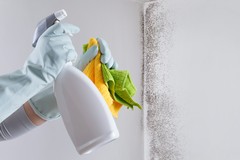
When water floods into a home, the race against mold begins almost immediately. Mold spores can begin to settle and multiply within 24 to 48 hours of moisture exposure, which is why so many homeowners start searching for what to spray to prevent mold after water damage before the water is even fully cleaned up. It is a reasonable instinct, but it skips the single most important step in protecting your property. At Purofirst Disaster Services, our team provides emergency restoration services in Louisville, KY, and we see the consequences of this mistake often.
The truth is that no spray, no matter how effective, can do its job if the underlying moisture is still present. Antimicrobial products are a valuable tool, but they are the finishing touch on a thorough drying process, not a replacement for it. Understanding the correct order of operations can save you from a costly and recurring mold problem down the road.
Why Drying Always Comes First
Mold needs three things to thrive: organic material to feed on, a comfortable temperature, and moisture. Your home provides the first two no matter what you do. Drywall, wood framing, carpet padding, and insulation are all food sources, and the indoor temperatures we keep year round are ideal for growth. Moisture is the one variable you can actually control, and removing it is the foundation of any effective response to water damage.
When you spray an antimicrobial onto a wet surface, you may kill some surface spores, but you do nothing about the water trapped inside walls, under flooring, or deep in porous materials. That hidden moisture keeps feeding new growth long after the spray has dried. This is the reason professional restoration relies on commercial air movers, dehumidifiers, and moisture meters to bring materials back to a normal, measurable dry standard. Our 24-hour emergency water damage restoration in Louisville and throughout the region focuses on extracting standing water and thoroughly drying the structure before any treatment begins.
Spraying first and drying second is like painting over rust. It looks solved on the surface while the real problem continues unchecked underneath. Proper drying removes the condition mold depends on, and only then does a preventive treatment have lasting value.
What to Spray to Prevent Mold After Water Damage
Once surfaces are dry, the right product makes a meaningful difference. The most common choices fall into a few categories, each with its own strengths. Knowing what to spray to prevent mold after water damage comes down to matching the product to the material and the level of contamination.
- EPA-registered antimicrobials: These are professional-grade products designed to inhibit mold and bacterial growth on treated surfaces. They are the standard in the restoration industry because they are tested for both effectiveness and safe application.
- Hydrogen peroxide solutions: A diluted hydrogen peroxide spray can address surface mold on hard, nonporous materials and is less harsh than some alternatives.
- Botanical or plant-based disinfectants: For households sensitive to stronger chemicals, these offer antimicrobial protection with lower toxicity, making them useful in homes with children or pets.
Many homeowners reach for chlorine bleach, assuming it is the obvious answer. Bleach can work on sealed, nonporous surfaces like tile or glass, but it is largely ineffective on porous materials such as wood and drywall. The water in bleach soaks into the material while the active ingredient stays on the surface, which can actually add moisture to the very places you are trying to protect. For that reason, professionals rarely rely on it as a primary preventive treatment.
How to Apply a Preventive Treatment Correctly
Application matters as much as product choice. A treatment sprayed carelessly across a damp wall will give you a false sense of security. For the best result, work on surfaces that have already been dried and cleaned of visible debris. Apply the product evenly so it fully contacts the surface, and follow the dwell time listed on the label, meaning the amount of time the product must stay wet to be effective before it dries.
Ventilation is important during and after application. Open windows where possible, run fans, and wear gloves and a mask to limit your exposure. Pay special attention to the areas that water tends to hide: baseboards, the backs of cabinets, subflooring, and wall cavities. These spots are where recurring mold most often starts because they stay damp longest and are easy to overlook.
It is also worth remembering that a preventive spray protects against new growth. It is not a cure for mold that has already taken hold inside materials. If you can see discoloration, smell a persistent musty odor, or notice that a patch keeps coming back after cleaning, you are likely dealing with an established colony that needs removal rather than prevention.
When Prevention Is Not Enough
There is a clear line between preventing mold and remediating an active problem, and crossing it on your own can make things worse. Disturbing established mold without proper containment can release spores throughout the home, spreading contamination to rooms that were never affected. At that point, you are no longer protecting against mold. You are managing an outbreak.
Professional remediation involves isolating the affected area, removing contaminated materials safely, treating the structure, and verifying that the environment has returned to a healthy state. Our team handles certified mold removal in Louisville and beyond using containment and air-filtration methods that keep the rest of your home protected during the process. If your water damage was significant or went undetected for more than a couple of days, it is wise to have a professional assess the situation before you decide whether a simple spray will be enough.
Protecting Louisville Homes the Right Way
Kentucky's humid summers and heavy storm seasons create conditions where mold can flourish after even a minor water event. A burst pipe, an overflowing appliance, or storm-driven water intrusion can all lead to the same outcome if moisture lingers. Acting quickly, drying completely, and then treating the affected surfaces is the sequence that actually keeps mold from returning. We serve homeowners throughout Louisville and the surrounding areas, and we know how quickly a small leak can turn into a bigger issue in our climate.
If you are facing water damage and want to be sure the job is done right, knowing what to spray to prevent mold after water damage is only part of the picture. The drying has to come first, and the assessment should be honest. For homeowners who have already noticed signs of growth, our mold removal and remediation in Valley Station, KY gives nearby communities a trusted resource for safe, thorough cleanup.
Whether you handle the initial cleanup yourself or call in our team, remember the order that protects your home: extract the water, dry the structure, confirm it is dry, and then apply a preventive treatment to the surfaces that need it. When you are unsure or the damage feels beyond a quick fix, reach out to Purofirst Disaster Services for a professional evaluation and peace of mind.