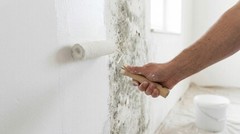
That dark spot creeping across the bathroom ceiling or the fuzzy patch behind the laundry room baseboard has a way of tempting homeowners toward the quickest fix imaginable: a fresh coat of paint. It seems logical enough. Cover it up, and the problem disappears. But if you have ever asked yourself what happens if you paint over mold, the honest answer is that you are almost never solving anything. You are hiding a living, growing organism behind a thin film that it will happily push right through. When mold takes hold in a home, our team offers emergency restoration services in Louisville and beyond because we see, week after week, how a painted-over problem turns into a much bigger one.
Mold is not a stain. It is a colony of living spores that feed on moisture and organic material like drywall, wood, and paper. Paint does nothing to address either of those conditions. Understanding why the shortcut fails, and what actually works, can save you money, protect your health, and preserve the structure of your home.
Why Paint Cannot Kill or Contain Mold
Paint is designed to adhere to a clean, dry surface. Mold is neither clean nor dry. When you apply paint over an active colony, the moisture trapped underneath keeps the mold alive and growing. Within weeks, sometimes days, the spores work their way back to the surface, causing the new paint to bubble, peel, flake, or discolor. What you end up with looks worse than the original spot, and now you have paint chips mixed into the mix.
Even so-called mold-resistant or mold-killing paints are widely misunderstood. These products are formulated to resist the growth of new mold on the painted surface under normal conditions. They are not treatments meant to be applied on top of an existing infestation. So when people ask what happens if you paint over mold with a special primer, the reality is that the additive cannot penetrate a thriving colony or dry out the material beneath it. The mold continues to feed on the wood or drywall regardless of what coats the outside.
The Health Risks Keep Growing Behind the Wall
Covering mold does not stop it from releasing spores into the air. Those microscopic particles circulate through your living space and can trigger a range of reactions, especially for children, older adults, and anyone with asthma, allergies, or a weakened immune system. Common symptoms include coughing, sneezing, itchy eyes, skin irritation, and persistent congestion that never seems to clear up.
Because a coat of paint gives the illusion that the problem is handled, families often stop paying attention to it. That false sense of security is one of the most dangerous parts of painting over mold. The colony keeps expanding inside the wall cavity, sometimes spreading to insulation, framing, and adjacent rooms, all while the occupants breathe in a steadily worsening environment. By the time the paint fails and the truth reappears, the contamination is usually far more extensive than it was originally.
What Happens If You Paint Over Mold on Wood
Wood presents a particular challenge because it is porous and absorbent. Mold on studs, subflooring, trim, or furniture sends its root-like structures, called hyphae, deep into the grain. Surface paint has no chance of reaching those embedded filaments. If you paint over mold on wood, you seal the moisture inside, which accelerates rot and weakens the material over time.
Structural wood that stays damp and moldy can lose its integrity, leading to soft spots, warping, and eventually costly repairs to the very bones of your home. We have opened up walls in homes across Louisville and the surrounding areas only to find that a painted-over patch was hiding framing damage that required full replacement. The lesson is consistent: hidden moisture always finds a way to do more harm than the visible stain ever suggested.
The Right Way to Deal With Mold
Genuine mold remediation follows a process built around finding and fixing the moisture source, containing the affected area, and properly removing the contaminated material. Skipping any of those steps invites the problem to return. When professionals handle it correctly, they typically work through several key stages:
- Inspect and identify the moisture source, whether it is a leak, high humidity, or past water damage, and stop it at the root.
- Contain the work zone with barriers and negative air pressure so spores do not spread to clean parts of the home.
- Remove and safely dispose of materials that cannot be salvaged, then clean and treat surfaces that can be saved.
- Dry the area thoroughly and verify with moisture readings before any rebuilding or repainting begins.
Only after the mold is gone and the material is confirmed dry does painting make sense, and at that point it is simply a finishing touch rather than a cover-up. This is why our certified mold removal in Louisville focuses on addressing the cause, not just the symptom. Because mold and water problems are so closely linked, resolving lingering moisture, sometimes through water damage restoration in the Louisville area is often part of a lasting solution.
Signs You Are Dealing With More Than a Surface Stain
Not every discoloration is mold, and not every bit of mold requires a full remediation crew. Still, certain warning signs suggest the problem runs deeper than a paintbrush can reach. A musty, earthy odor that lingers even when surfaces look clean is a strong indicator of hidden growth. Paint that keeps peeling or bubbling in the same spot, recurring stains that return after cleaning, and visible mold covering more than a small area all point toward a situation that needs professional attention.
If you have recently experienced a roof leak, plumbing issue, or flooding, treat any subsequent discoloration with extra caution. Moisture from those events can seep into places you cannot see, giving mold an ideal head start well before it ever shows on the surface.
Skip the Shortcut and Fix It for Good
The next time you find yourself weighing a can of paint against a spreading stain, remember what happens if you paint over mold: you trap the moisture, keep the colony alive, expose your household to ongoing spore exposure, and set the stage for structural damage that costs far more than proper remediation ever would. Paint hides the evidence; it never removes the problem.
The dependable path is to have the affected area assessed, the moisture source corrected, and the contamination professionally removed so your walls and wood are genuinely clean before any new finish goes on. Homeowners searching for mold removal and remediation in Lyndon, KY, along with Louisville and neighboring communities, can rely on our team to handle the job the right way from the start.
If you suspect mold behind that fresh paint or you are staring at a stain that keeps coming back, reach out to Purofirst Disaster Services for an honest evaluation. Getting it right the first time protects your home, your budget, and the health of everyone under your roof.