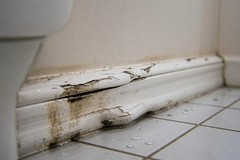
That soft, discolored strip of trim along the bottom of your bathroom wall might seem like a small cosmetic problem, but it is often the first visible clue that moisture is moving where it does not belong. Water damage on baseboard in a bathroom rarely happens on its own. It usually points to a leak, poor drainage, or trapped humidity that has been at work behind the scenes for days or weeks. Catching it early can mean the difference between a quick fix and a much larger repair, which is why our team offers emergency restoration services in Louisville and beyond when moisture starts showing up in places it should not.
Bathrooms are among the most water-exposed rooms in any home, and their baseboards sit right at the intersection of floors, walls, and plumbing. When something goes wrong, gravity pulls moisture downward, and that trim is often where it collects and shows first. Understanding what those signs mean helps you respond before mold, rot, or structural issues take hold.
Why Baseboards Show Damage First
Baseboards are made of wood, MDF, or composite materials that absorb water readily. Positioned at the base of the wall, they act like a wick, drawing up moisture from the floor or pulling it in from damp drywall above. Because they sit at the lowest point of the wall, any water that travels down inside the wall cavity or across the floor tends to pool there first.
This is exactly why water damage on baseboard in a bathroom is such a useful early warning. The trim visibly reacts to moisture long before you might notice a problem inside the wall itself. Swelling, warping, peeling paint, or a spongy texture are the material's way of telling you that water is present and lingering. Ignoring those cues gives the moisture time to spread into the drywall, subfloor, and framing behind the surface.
Common Causes Behind the Damage
Pinpointing the source matters because the fix depends entirely on where the water is coming from. In many bathrooms, the culprit is a slow, hidden leak rather than an obvious flood. A dripping supply line under the sink, a failing toilet wax ring, or a slow seep from a shower pan can release small amounts of water repeatedly until the baseboards give it away.
Grout and caulk failures are another frequent cause. When the seal around a tub, shower, or backsplash breaks down, water works its way behind the tile and travels along the wall base. Condensation is a quieter offender, especially in bathrooms with poor ventilation, where steam settles on cool surfaces and drips down to the trim day after day. Overflow from sinks and tubs, or a toilet that occasionally runs over, can also leave lasting damage even after the visible water has been wiped up.
Some causes are structural or external. Plumbing inside the wall can develop pinhole leaks, and homes with slab foundations sometimes experience moisture wicking up from below. Whatever the source, the pattern is the same: water accumulates, the baseboard absorbs it, and the damage becomes visible from the outside.
How to Tell How Serious It Is
Not every damp baseboard signals a catastrophe, but appearances can be deceiving. The visible damage is often only a fraction of what is happening behind the wall. To gauge the severity, pay attention to a few telling signs that suggest the problem runs deeper than the surface.
- A musty or earthy smell that lingers even after cleaning, which often indicates mold growth inside the wall or under the floor.
- Baseboards that feel soft, crumble when pressed, or pull away from the wall easily, showing that the material has absorbed significant moisture.
- Discoloration or dark staining that extends upward onto the drywall, suggesting water has traveled higher than the trim.
- Buckling or lifting flooring near the baseboard, a sign that moisture has reached the subfloor.
If you notice any of these alongside the visible damage, the situation likely calls for professional assessment. Moisture meters and infrared tools can reveal the true extent of the problem, something that is difficult to judge with the naked eye. Our 24-hour emergency water damage restoration in Louisville uses this kind of equipment to map exactly where moisture has spread before any repairs begin.
The Mold Connection
One of the biggest reasons to take water damage on baseboard in a bathroom seriously is the risk of mold. Bathrooms already offer the warmth and humidity that mold spores love, and trapped moisture behind baseboards or inside wall cavities creates an ideal breeding ground. Mold can begin developing within 24 to 48 hours of water exposure, often long before you would expect to see it.
Once mold takes hold inside a wall, surface cleaning alone will not solve it. The affected materials frequently need to be removed and replaced, and the space must be properly dried and treated. If you suspect growth has already started, professional certified mold removal in Louisville and its neighboring communities ensures the problem is addressed at its source rather than simply covered over. Painting over a stained baseboard without drying the wall behind it almost always leads to the damage returning.
What to Do When You Spot It
Acting quickly limits how far the damage can spread. The first step is to stop the water. If you can identify the leak, shut off the relevant supply line or fixture. If the source is unclear, turning off the main water supply to the bathroom or home buys time while you investigate. Wipe up any standing water and improve airflow with fans and open windows to begin drying the area.
Resist the urge to seal or paint over the damage right away. Cosmetic repairs trap moisture behind the surface and allow rot and mold to continue unseen. Instead, document what you see with photos, which can be helpful for insurance purposes, and reach out for a professional evaluation. Proper restoration involves finding the source, drying the structure completely, removing unsalvageable materials, and rebuilding so the problem does not recur.
Homeowners throughout Louisville and the surrounding areas often discover that what looked like minor trim damage was masking a larger issue inside the wall. A trained eye and the right tools make all the difference in catching that early. You can learn more about the full range of our disaster restoration and property damage repair options if you want to understand how the process works from assessment to rebuild.
Protecting Your Home for the Long Term
The lasting fix for water damage on baseboard in a bathroom goes beyond replacing the trim. It means addressing the underlying cause, whether that is a worn caulk line, a failing seal, inadequate ventilation, or a plumbing issue. Improving airflow with an exhaust fan, keeping caulk and grout maintained, and checking under sinks periodically all reduce the chances of moisture returning.
When the damage is already extensive, professional help protects both your home and your health. Our team also provides water damage restoration in Newburg, KY and works with property owners across the region to dry, repair, and restore affected spaces thoroughly. The goal is always to leave your bathroom drier and more resilient than before, not just patched over.
If you have noticed damp, warped, or discolored baseboards in your bathroom, do not wait for the problem to grow. A quick inspection today can save you from a major repair down the road. Contact us for a professional assessment, and let our experienced team help you protect your home from the hidden effects of water damage.