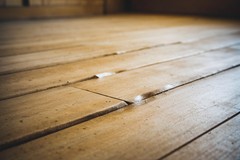
A dishwasher line that fails overnight, a burst pipe behind a wall, or an appliance that quietly drips for weeks can all leave you with the same unwelcome surprise: a swollen wood floor that cups, buckles, or lifts along the seams. Wood is a natural material that absorbs moisture readily, and once water seeps beneath the finish, the boards expand and distort in ways that are hard to ignore. If you are facing this problem right now, you are not alone, and the good news is that there are clear repair choices depending on how far the damage has progressed. For urgent situations, emergency restoration services in Louisville and its nearby towns can help you stabilize the area before the damage spreads any further.
Understanding what is happening to your floor, and what options you realistically have, puts you in a much stronger position to make the right call. Some swollen floors recover with proper drying, while others need partial or full replacement. The difference often comes down to how quickly you act.
Why Wood Floors Swell After Water Exposure
Wood flooring is designed to live within a specific range of moisture content. When water from a leak reaches the planks, the fibers soak it up and the boards grow in size. Because they are fastened in place, they have nowhere to expand except upward and against one another. This is what creates the familiar signs of water damage: cupping, where the edges of each board rise higher than the center, and crowning, where the center bulges upward instead.
In more severe cases, the pressure becomes so great that boards buckle completely and pull away from the subfloor. A swollen wood floor is more than a cosmetic concern. The trapped moisture can migrate into the subfloor and surrounding structure, and if it lingers, it creates the damp, dark conditions that mold needs to grow. This is why addressing the water source and the moisture itself is always the first priority, not the appearance of the boards.
Can a Swollen Wood Floor Be Saved?
This is the question most homeowners ask first, and the honest answer is that it depends on several factors. The type of flooring matters a great deal. Solid hardwood often has more capacity to be dried and refinished than engineered wood, which is built from thin layers that can delaminate once saturated. Laminate flooring, despite its wood-like look, tends to swell permanently because its core is made of compressed fiberboard that does not recover.
The length of exposure is equally important. A floor that was wet for a few hours stands a far better chance than one that soaked for days. The volume and source of water play a role too, since clean water from a supply line is less damaging than contaminated water from a sewage backup. Professional drying with specialized equipment can sometimes coax cupped boards back toward their original shape as the moisture leaves evenly. In other cases, the warping is set, and refinishing or replacement becomes the practical path forward.
Your Repair Choices Explained
Once the extent of the damage is clear, you generally have a few routes to consider. The best choice balances cost, the condition of the wood, and how closely any repair can match the surrounding floor.
- Dry and monitor: If caught early, controlled drying may reduce swelling enough that the floor returns to an acceptable state without replacement. Moisture readings guide this process so nothing is rushed.
- Sand and refinish: After a floor dries, minor cupping can sometimes be sanded flat and refinished to restore a uniform surface, provided the boards are structurally sound.
- Partial board replacement: When only a section is damaged, affected boards can be removed and replaced, then blended into the rest of the floor through sanding and finishing.
- Full replacement: For widespread buckling, delamination, or contaminated water exposure, replacing the flooring is often the most reliable long-term solution.
A thorough assessment matters here. Jumping straight to replacement can mean spending on work that drying could have avoided, while attempting to refinish a floor that was never properly dried can trap moisture and lead to mold down the road.
Why Fast Drying Makes All the Difference
The window for saving a swollen wood floor is often measured in hours and days, not weeks. Standing water should be removed immediately, but the real challenge is the moisture that has soaked into the wood, the subfloor, and sometimes the joists beneath. Household fans and open windows rarely reach the depth of saturation that occurs after a significant leak.
Professional restoration teams use moisture meters, commercial air movers, and dehumidifiers to pull water out of the structure in a measured, monitored way. Drying too fast or unevenly can cause additional cracking, so the goal is steady, complete moisture removal. If you want a deeper look at how this process works, our overview of 24-hour emergency water damage restoration in Louisville and beyond walks through the equipment and steps involved. Acting quickly not only improves your odds of saving the floor but also helps protect against the secondary problems that follow lingering dampness.
Watching for Mold and Hidden Damage
One of the biggest risks with a swollen wood floor is not what you can see, but what you cannot. Water that reaches the subfloor can sit there long after the surface appears dry, creating ideal conditions for mold growth and wood rot. A musty smell, discoloration beneath the planks, or boards that feel soft underfoot are all warning signs that moisture has gone deeper than the surface.
If mold has already taken hold, it needs to be addressed properly rather than simply painted over or hidden under new flooring. Professional certifies mold removal in Louisville focuses on removing the source of moisture, cleaning affected materials, and verifying the area is dry before any rebuilding begins. Skipping this step can lead to recurring problems that cost far more than the original repair.
Getting Expert Help Near You
Dealing with a swollen wood floor is stressful, especially when you are unsure whether it can be saved or needs to be torn out. The most reassuring thing you can do is bring in a team that can assess the damage objectively, measure the moisture accurately, and recommend the approach that genuinely fits your situation rather than defaulting to the most expensive option. Homeowners throughout Louisville and the surrounding areas rely on experienced restoration professionals for exactly this kind of guidance.
If your leak originated in a nearby community, our team also provides water damage restoration in Shively, KY, with the same focus on fast response and careful drying. Whether your floor can be dried and refinished or needs partial replacement, the sooner the moisture is handled, the better the outcome tends to be.
A swollen wood floor is not always a lost cause, but time is rarely on your side once water gets in. Stop the source, remove standing water, and get a professional assessment quickly so you understand your real repair choices before any further damage sets in. If you are facing water trouble now, reach out to Purofirst Disaster Services for a prompt evaluation and a clear path forward.