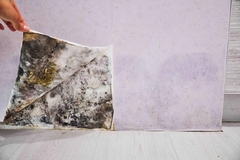
The presence of mold in homes can often go unnoticed until it becomes a significant problem, affecting the air quality and overall health of those inside. Understanding and effectively identifying mold is crucial for maintaining a healthy living environment. This comprehensive mold identification guide will equip you with the knowledge you need to recognize signs of mold, understand its risks, and address it suitably. If you're experiencing issues with mold, it's crucial to explore damage restoration services in Louisville, KY, to prevent further structural or health problems.
Mold is not just an unsightly addition to your home—it can have serious implications for health and property. Despite its bad reputation, mold plays an essential role in nature by breaking down dead organic matter. However, when it finds its way into our domiciles, it can cause damage that requires professional intervention, such as mold removal and remediation. This guide aims to simplify mold identification and provide practical solutions for handling it, ensuring you know when it's time to seek expert assistance from professionals like Purofirst Disaster Services.
Understanding Mold and Its Impact
Mold thrives in warm, damp environments, commonly appearing in areas with poor ventilation or water damage, such as basements, bathrooms, and kitchens. The most common types of indoor molds include Cladosporium, Penicillium, Aspergillus, and Stachybotrys chartarum (black mold). Each type has distinct characteristics and may require different approaches for removal. Understanding which type you're dealing with is the first step in your mold identification journey.
Health Risks Associated with Mold
Exposure to mold can have varying effects on health, depending on the extent of exposure and individual susceptibility. Common symptoms include nasal stuffiness, throat irritation, coughing, wheezing, skin irritation, or, in severe cases, exacerbation of asthma. Children, the elderly, and those with existing respiratory conditions are particularly vulnerable to these effects.
If you suspect mold infestation, immediate action is crucial. Ignoring the problem can lead to further structural damage to your home and increased health risks for residents. It's always wise to contemplate professional intervention if you're unsure about the scope of the issue or if mold persists despite initial cleaning efforts.
Identifying Mold in Your Home
Identifying mold requires keen observation and sometimes a bit of detective work. Mold can be visually detected or sensed through its musty odor. Look in high-risk areas where moisture accumulates - around pipes, windows, and air conditioning units. Pay attention to any discoloration on walls, ceilings, or floors, as these are telltale signs of mold presence.
Steps to Identify Mold
- Conduct a Visual Inspection: Navigate through your home, especially in areas prone to moisture. Look for dark patches or specks that might indicate mold growth.
- Smell Test: A persistent musty odor is often the first indicator of mold.
- Use a Moisture Meter: These devices can identify dampness and pinpoint areas where mold might thrive.
- Hire Professionals: If signs are unclear or persistent, hiring professionals for mold testing and assessment can provide clarity and direction on the severity and type of mold present.
Prevention Tactics for Homeowners
Prevention is your best defense against mold. Ensuring your home is free from leaks, has proper ventilation, and maintains a controlled indoor humidity level (ideally below 60%) can significantly reduce the risk of mold. Regular maintenance checks around windows, pipes, and roofs can prevent moisture buildup, and installing dehumidifiers in problem areas can provide added protection.
When to Call Professionals
While DIY solutions can handle minor mold issues, extensive infestations require the expertise of professionals. If mold covers more than 10 square feet, consult an expert restoration service. This guide offers valuable insights into addressing mold, but complex or recurrent issues often indicate a need for deeper intervention, such as effective mold removal and remediation in Louisville and its nearby areas.
Addressing Recurring Mold Problems
For cases where mold persists, consider more extensive structural repairs or upgrades to ventilation systems. Mold that repeatedly shows up after cleanings may signify deeper problems, such as leaks or inadequate moisture control, necessitating expert evaluation and intervention.
Community and Professional Help
Residents of Louisville, KY, are encouraged to reach out to local specialists who understand the climate and typical local issues associated with mold. Purofirst Disaster Services offers comprehensive solutions tailored to address the specific needs of the region, assuring residents of effective, efficient, and lasting mold remediation.
If you're located outside Louisville, you can still benefit from professional services. Offering water damage restoration in New Albany and beyond, Purofirst Disaster Services extends its expertise to tackle mold issues efficiently across various locales.
Preserving Health and Property Value
Actively monitoring and managing mold growth not only safeguards your health but also preserves the value of your property. Regular checks and timely interventions prevent small issues from escalating into costly repairs. A home free from mold is more welcoming and comforting, ensuring the well-being of its occupants.
In conclusion, a proper mold identification guide is invaluable for homeowners aiming to maintain a healthy environment and protect their investment. For those needing professional assistance, Purofirst Disaster Services in Louisville is your go-to resource for comprehensive care - from initial assessment to full remediation. Don't hesitate to reach out and ensure your home remains a safe haven from mold-related concerns.