Navigating the complexities of mold counts in urban areas can be daunting. For residents of Louisville, understanding the mold count is an essential part of maintaining a healthy living environment. Mold is a pervasive issue that affects air quality, health, and property integrity, which has prompted the need for specialized services. This is where a damage restoration company in Louisville steps in to assist not only by addressing mold-related concerns but also by providing a comprehensive risk assessment and remediation strategy. In this article, we'll delve into the intricacies of mold counts, what constitutes safe levels, and how to safeguard your home with actionable insights.
Understanding mold becomes pertinent when it begins to satisfy the conditions needed for its growth: moisture, warmth, and organic matter. These conditions are commonly found in homes due to leaks, flooding, and poor ventilation. It is crucial for homeowners to monitor the mold count in Louisville, not just for the preservation of property but also for health-related issues. Mold can cause respiratory problems and exacerbate allergies, which makes it a public concern demanding immediate attention.
What is Mold Count?
Mold count refers to the concentration of mold spores present in a specified volume of air. This metric is essential for evaluating indoor air quality. It serves as a measurement for determining the potential health risk in a given area. When assessing the mold count in Louisville, it's helpful to understand that certain levels are deemed safe, while others require immediate corrective action. Generally, mold counts can be influenced by weather conditions, local vegetation, and human activities.
High mold counts are typically recorded after rainfall due to increased moisture levels. For people sensitive to mold, this can be a significant health hazard. Moreover, certain species of mold are more potent than others, leading to a range of health concerns that include allergy symptoms, asthma triggers, and, in severe cases, respiratory infections. Controlling these spores through effective home management strategies and professional interventions is crucial.
Safe Levels of Mold Count
The question of what constitutes a safe mold count is often complex. Safe levels can vary depending on individual health conditions, but general guidelines do exist. Typically, mold counts are measured in spores per cubic meter (spores/m³) using air sampling techniques. A concentration of fewer than 4,000 spores/m³ is generally considered safe for indoor environments. Going beyond this level can necessitate the need for mold removal and remediation services, especially if sensitive individuals reside in the household.
It's important to recognize that outdoor mold baseline levels can naturally exceed these indoor guidelines without posing significant risks. Indoor environments, however, should always have a lower mold count than outdoors to minimize potential health risks. When elevated indoor mold levels are detected, they can often be attributed to hidden leaks, poor ventilation, or inadequate cleaning protocols.
Signs of High Mold Counts in Your Home
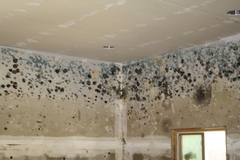
Identifying high mold counts inside your home can be more straightforward than you might think. Often, households with elevated mold counts will experience a range of symptoms. Common indicators include a musty odor throughout the property, visible mold growth on surfaces, water spots or damage on walls and ceilings, and persistent allergy symptoms among residents. These signs necessitate immediate attention.
If your home exhibits these characteristics, it's imperative to assess the mold count and consider biohazard cleanup in Louisville. While some strategies are manageable on your own, significant mold problems require professional intervention to avoid health hazards and structural damage to the property. Experts can use specialized equipment to detect mold levels and ensure comprehensive cleaning and remediation.
Preventative Measures to Control Mold Count
Effectively controlling mold counts involves a multi-faceted approach. Start with addressing any water issues by repairing leaks, ensuring proper drainage, and maintaining functional gutters and downspouts. This effort minimizes the moisture that mold needs to thrive. Second, enhance your home's ventilation and air circulation. Use exhaust fans in kitchens and bathrooms, and regularly open windows to allow fresh air in.
Consider installing a dehumidifier in basements and other high-moisture areas to reduce humidity levels. Mold can become problematic when indoor humidity levels exceed 60%. Additionally, it's essential to routinely clean areas prone to mold growth, like bathroom tiles and kitchen sinks. By maintaining these practices, you can significantly reduce the mold count in your home.
Here are a few key steps to manage mold effectively:
- Repair leaks promptly and ensure adequate home insulation.
- Use dehumidifiers in high-humidity areas.
- Maintain proper ventilation by using exhaust fans or opening windows.
Consistently addressing these factors will help maintain a safe mold count in Louisville, protecting your health and property.
When to Seek Professional Help
Maintaining a safe mold count in Louisville is a proactive effort. Yet, despite your best prevention measures, you may face situations requiring professional mold removal and remediation. If mold growth is rapid, extends beyond ten square feet, or if you notice a persistent and unidentifiable musty smell, it's time to call in the professionals.
Mold remediation services can provide thorough inspections, detailed mold testing, and effective removal strategies tailored to your situation. Expert teams employ high-efficiency air scrubbers, use professional-grade cleaning solutions, and utilize advanced techniques to ensure your home is free of mold.
Partner with Purofirst Disaster Services to Safeguard Your Home
A healthy home is a valuable asset. Protect your property and health by understanding mold counts and taking necessary actions. If you're experiencing issues with mold, turning to specialists like Purofirst Disaster Services can provide peace of mind. From mold removal to comprehensive water damage restoration in Louisville, our services ensure that your property is safe and restored to its optimal condition. If you suspect elevated mold counts adversely affecting your home, don't hesitate to reach out for professional help.
Prioritize your well-being by ensuring your living spaces are clean and hazard-free. Turn to trusted experts who not only understand the complexities of mold counts in Louisville but also offer the most effective solutions tailored to your needs. Contact Purofirst Disaster Services today to secure your home against mold-related challenges.