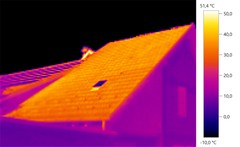
Water rarely announces its arrival on a roof. Long before a stain blooms across a ceiling or a musty smell drifts through a hallway, moisture may already be traveling under the surface, soaking into insulation and decking where no one can see it. That silent movement is exactly why roof moisture mapping has become one of the most valuable tools in modern leak detection. As a trusted damage restoration company in Louisville and its nearby vicinities, we have seen how a small, undetected roof leak can quietly grow into a costly structural problem when it goes unaddressed.
The challenge with roof leaks is that the visible symptom and the actual source are often far apart. Water enters at one point, follows the path of least resistance, and shows up somewhere else entirely. This guide explains how moisture mapping works, why it matters for property owners, and what the process reveals that a simple visual inspection cannot.
Why Hidden Roof Moisture Is So Dangerous
A roof is designed to shed water, but even the smallest breach in that system can let moisture creep into materials that were never meant to get wet. Once water reaches insulation, it loses much of its thermal value and stops performing its job. Trapped moisture also weakens roof decking over time, promotes rot, and creates the damp, dark conditions that mold thrives in. Because these problems develop out of sight, they can advance for months before anyone notices a symptom.
By the time a stain appears on a ceiling, the affected area is usually much larger than the visible mark suggests. Water spreads horizontally across a roof assembly, so a single stain can represent a saturated zone several feet in every direction. This is the core reason guessing at a leak source so often fails. Repairing what you can see does nothing for the moisture hiding beneath the surface, and that lingering dampness is what leads to recurring leaks and long-term deterioration.
What Roof Moisture Mapping Actually Is
Roof moisture mapping is a systematic approach to locating trapped water within a roof system without tearing it apart. Rather than relying on where a leak appears indoors, technicians survey the roof itself to identify the exact areas holding moisture. The result is essentially a map of the roof that highlights wet zones against dry ones, giving a clear picture of the true extent of the problem.
The value of this process lies in its precision. Instead of removing large sections of roofing on a hunch, a documented moisture map allows repairs to target only the compromised areas. That saves material, reduces disruption, and ensures that the wet insulation and decking causing ongoing issues actually get addressed. For property owners, it also provides objective evidence of the damage, which can be helpful when working through insurance claims.
The Technology Behind the Survey
Several detection methods are used in roof moisture mapping, and skilled technicians often combine them to confirm findings. Each approach reads the roof differently, and using more than one reduces the chance of a false reading from surface conditions or shadows.
- Infrared thermography: Wet materials retain heat differently than dry ones. Thermal cameras capture these temperature differences, revealing saturated areas that stay warmer or cooler than the surrounding roof after the sun goes down.
- Capacitance and moisture meters: Handheld devices measure the moisture content of roofing materials directly, confirming whether a suspected area is genuinely wet.
- Nuclear and electrical impedance testing: These methods detect moisture at deeper levels within the roof assembly, useful on flat commercial roofs with multiple layers.
Timing and conditions matter for accuracy. Infrared surveys, for instance, work best when the roof has absorbed heat during the day and begins releasing it in the evening. A dry roof surface and calm weather also help produce clean readings. Experienced technicians know how to account for these variables so the map reflects real moisture rather than passing surface effects.
From Map to Repair Plan
A moisture map is only useful if it leads to the right action. Once the wet zones are identified and documented, the findings guide a focused repair strategy. Areas of trapped moisture are opened, the saturated insulation and any compromised decking are removed, and the roof is dried and rebuilt with sound materials. Because the survey defines the boundaries of the damage, crews know precisely where to stop, avoiding both under-repair that leaves moisture behind and over-repair that wastes resources.
This is also the stage where roof leaks connect to the broader picture of property protection. Water that has traveled below the surface may have already reached ceilings, walls, or living spaces. When that happens, prompt water damage restoration in Louisville becomes just as important as the roof repair itself. Addressing both together prevents the cycle of drying one area while moisture continues to spread from another.
When to Consider a Moisture Survey
Not every roof needs a full moisture map, but certain warning signs make one worthwhile. Persistent ceiling stains that reappear after patching, higher energy bills that suggest failing insulation, and a roof that has weathered severe storms are all strong reasons to investigate below the surface. Older roofs nearing the end of their service life also benefit from mapping, since it helps owners decide whether targeted repairs or full replacement makes more financial sense.
Storms are a particularly common trigger. Wind can lift flashing and shingles just enough to open a path for water without leaving obvious damage, and hail can create punctures that only reveal themselves later. If your property has recently endured rough weather, pairing an inspection with storm damage restoration in the Louisville area helps ensure that hidden moisture is caught before it turns into a bigger repair. Catching these issues early is far less disruptive than dealing with the mold growth and structural weakening that follow prolonged saturation.
Protecting Your Property Before Small Leaks Grow
The greatest advantage of roof moisture mapping is that it replaces guesswork with evidence. Rather than reacting to stains after they appear, property owners gain a clear understanding of what is happening inside their roof and can act while repairs are still manageable. That knowledge protects insulation performance, extends the life of the roof, and prevents the damp conditions that lead to mold and rot. For homeowners and businesses alike, it is a proactive step that pays off in avoided repairs and preserved property value.
Because trapped moisture so often leads to secondary problems, timely detection also connects to the work we do every day, from water cleanup to mold prevention. Property owners in Buckner, KY looking for reliable water damage restoration in Clarksville and beyond can count on the same thorough, evidence-based approach, and we extend that care throughout Louisville and the surrounding communities.
If you have noticed recurring stains, unexplained humidity, or lingering effects from a recent storm, do not wait for the damage to reveal its full scale. A moisture survey gives you answers early, and our team is ready to help you understand exactly what your roof is hiding. Reach out to Purofirst Disaster Services for a professional assessment, and let us help you keep hidden water from becoming a much larger problem.