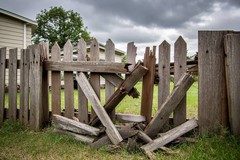
After a strong storm rolls through Kentucky, one of the first things homeowners notice is a leaning, cracked, or completely toppled fence. It is a frustrating sight, and the immediate question that follows is almost always the same: is wind damage to fence covered by insurance? The short answer is that it often can be, but the details of your policy, the cause of the damage, and the condition of your fence all play a role. As experienced restoration contractors in Louisville and beyond, we have helped countless property owners understand what to expect after wind and storm events.
Fences take a beating during severe weather. Gusts can snap posts, tear panels loose, and knock sections flat in seconds. Knowing how your homeowners policy treats this kind of loss before disaster strikes can save you a lot of stress and help you avoid surprises when you file a claim.
How Homeowners Insurance Typically Treats Fence Damage
Most standard homeowners insurance policies cover fences under what is called "other structures" coverage. This is the same category that usually includes detached garages, sheds, and gazebos. Because a fence is not attached to your home, it falls outside your main dwelling coverage and instead draws from this separate pool of funds, which is often capped at a percentage of your total dwelling limit.
When a covered peril like wind damages your fence, your insurer generally reimburses you for repair or replacement up to that other structures limit, minus your deductible. Wind is considered a covered peril under the vast majority of policies, which is good news. That said, whether wind damage to fence covered by insurance applies in your specific situation depends on how your policy is written and what caused the damage in the first place.
What Affects Whether Your Claim Is Approved
Several factors influence how an insurer responds to a fence claim. The cause of the damage is the biggest one. If a healthy tree is blown over by storm winds and crushes your fence, that is typically covered. If an old, dead tree you were warned about falls because it was already rotting, the insurer may argue that neglect contributed to the loss.
The age and condition of your fence matter too. Insurance is designed to restore you to the position you were in before the loss, not to upgrade an aging fence to brand new. If your fence was already deteriorating, leaning, or showing rot before the storm, your adjuster may apply depreciation or deny portions of the claim. Documentation showing your fence was well maintained can make a real difference here.
Your deductible is another key consideration. If the cost to repair your fence is close to or below your deductible, filing a claim may not make financial sense. Many fence repairs fall into a gray zone where the out of pocket cost after a deductible is small enough that homeowners choose to handle it themselves to avoid a claim on their record.
Common Reasons a Fence Claim Gets Denied
Even when wind is clearly the culprit, claims can still be reduced or denied for reasons that catch homeowners off guard. Understanding these ahead of time helps you avoid preventable headaches. The most frequent issues we see include the following:
- Pre-existing damage or rot that the insurer attributes to wear and tear rather than the storm.
- Lack of maintenance, such as loose posts or failing hardware that was not repaired before the event.
- Policy exclusions or coverage limits that cap the amount available for other structures.
- Insufficient documentation proving the fence was in good shape before the damage occurred.
Because wind events frequently bring other problems along with them, such as water intrusion or roof damage, it is worth reviewing your full property after a storm. Addressing one issue while missing another can leave you exposed. Our team often handles broader storm damage restoration in the Louisville area, which helps homeowners manage a single coordinated recovery rather than juggling several separate problems.
Steps to Take Right After Storm Damage
What you do in the hours and days following a storm has a direct impact on your claim. Insurers expect you to take reasonable steps to prevent further damage, and they want clear evidence of what happened. Moving quickly and methodically gives you the strongest possible footing.
Start by documenting everything before you touch a thing. Photograph the damaged fence from multiple angles, capture any trees or debris involved, and note the date and time. If you have older photos showing the fence in good condition, pull those as well, since they help establish its pre-storm state. Then make temporary repairs to prevent additional harm, such as securing loose panels so they do not cause injury or property damage, and keep receipts for any materials you buy.
Next, review your policy and contact your insurer promptly. Ask specifically about your other structures limit, your deductible, and whether depreciation applies. When you are ready for repairs, working with a qualified restoration company ensures the work is done correctly and that your damage is properly assessed.
Why Professional Assessment Matters
It is tempting to eyeball fence damage and assume you know the extent of it, but storms often cause problems that are not visible at first glance. A post that looks fine may be cracked below the soil line, and panels that appear intact may have loosened connections that will fail in the next windstorm. A professional assessment gives you an accurate picture of what needs to be repaired and provides the detailed documentation that insurance adjusters rely on.
Having a knowledgeable contractor on your side also helps when there is disagreement about the cause or scope of damage. We understand how adjusters evaluate claims and can help communicate the true condition of your property. This is especially valuable when the question of whether wind damage to fence covered by insurance comes down to fine distinctions between storm damage and ordinary wear. For homeowners dealing with these situations, our storm damage restoration in Crestwood and throughout the region is built around thorough, honest evaluations.
Protecting Your Property Before the Next Storm
Prevention will not stop every gust, but it does strengthen both your fence and your future claims. Regularly inspect your posts, tighten loose hardware, replace rotting boards, and address leaning sections before they fail. Keeping trees trimmed and removing dead limbs reduces the chance of a tree crashing through your fence during the next big blow. A well maintained fence is less likely to be damaged and far more likely to have a claim approved if damage does occur.
To summarize the essentials: wind is usually a covered peril, fences fall under other structures coverage with its own limit, and the age, condition, and documentation of your fence heavily influence the outcome. Whether wind damage to fence covered by insurance works in your favor often comes down to how well you prepared and documented your property before and after the storm.
If a recent storm has left your fence or property damaged, acting quickly protects both your home and your claim. Purofirst Disaster Services proudly helps homeowners in Louisville and the surrounding communities recover with prompt, professional restoration. Reach out for a thorough assessment, and let our team guide you through the repair and claims process from start to finish.