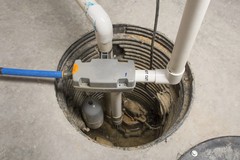
Few household problems are as unpleasant or as damaging as raw sewage pushing up through a drain or toilet. Beyond the mess and the smell, a backup can soak flooring, ruin drywall, and introduce serious health hazards into your living space. The good news is that most of these incidents are preventable with a little knowledge and routine attention. Understanding how to prevent sewage backup in house systems can save you thousands of dollars and spare your family a stressful cleanup, and if the worst does happen, emergency restoration services in Louisville and its nearby areas are available to help you recover quickly.
At Purofirst Disaster Services, we respond to sewage emergencies throughout the region, and we see the same causes again and again. The patterns are clear, which means homeowners have real power to reduce their risk. Below, we walk through what causes backups and the practical steps you can take to keep your home protected.
What Actually Causes a Sewage Backup
A sewage backup happens when wastewater cannot flow away from your home as designed, so it reverses course and comes back inside. The most common culprits are clogs in the main line, tree roots that infiltrate underground pipes, aging or collapsed sewer lines, and heavy rainfall that overwhelms municipal systems. In older Louisville neighborhoods, mature trees and decades-old clay pipes are a frequent combination that leads to trouble.
Grease is another major offender. When fats, oils, and cooking grease go down the drain, they cool and harden inside the pipe, gradually narrowing the passage until a full blockage forms. Flushing items that should never enter the plumbing, such as wipes labeled "flushable," paper towels, and hygiene products, compounds the problem. Recognizing these causes is the first step in learning how to prevent sewage backup in house plumbing, because nearly every one of them responds to better habits and regular maintenance.
Everyday Habits That Protect Your Drains
The simplest defense against a backup starts at your sinks and toilets. What you put down the drain determines how freely your system flows over the long term. Keep grease out of the kitchen sink entirely by pouring it into a container and tossing it in the trash once it solidifies. Use drain strainers to catch food scraps and hair before they travel into the pipes, and rinse them regularly.
In bathrooms, treat the toilet as a fixture for human waste and toilet paper only. Even products marketed as disposable often fail to break down the way standard toilet paper does, and they accumulate at bends in the line. Teaching everyone in the household these habits goes a long way. When you want to know how to prevent sewage backup in house systems without major expense, consistent daily choices are the most affordable and effective tool you have.
Maintenance Steps Worth Scheduling
Habits handle the surface, but the hidden parts of your plumbing need periodic professional attention too. Many backups begin underground where you cannot see them, which is why proactive inspection pays off. A plumber can run a camera through your main sewer line to spot root intrusion, cracks, or sagging sections before they turn into a full blockage. Catching these issues early often means a minor repair instead of an emergency excavation.
Consider the following steps as part of a sensible maintenance routine for most homes:
- Have your main sewer line inspected and cleaned every few years, more often if you have large trees near the line.
- Install a backwater valve, which allows wastewater to exit but prevents it from flowing back into the house during a surge.
- Check that downspouts, sump pumps, and gutters drain away from the foundation rather than into the sewer system.
- Address slow drains promptly instead of relying on harsh chemical cleaners that can damage older pipes.
Among these, a backwater valve is one of the most valuable upgrades for homes in flood-prone or low-lying areas. It acts as a one-way gate that keeps city sewer surges from entering your home during heavy storms, which is exactly when municipal systems are most likely to overflow.
Preparing for Heavy Rain and Storm Surges
Louisville sees its share of intense rainfall, and storms are one of the leading triggers for sewage backups. When the ground is saturated and the city's combined sewer system reaches capacity, pressure can force wastewater back toward individual homes. Preparing your property before storm season reduces this risk considerably.
Make sure your sump pump is in good working order and consider a battery backup so it keeps running if the power goes out during a storm. Seal any cracks in your basement walls and floor where water could intrude, and keep valuables stored off the basement floor. If your area has a history of storm-related flooding, these measures work hand in hand with a backwater valve. For properties that have already experienced weather damage, our storm and emergency damage restoration in Louisville and its neighboring towns understands how quickly rain-driven backups can escalate and how to restore affected spaces safely.
Recognizing the Warning Signs Early
Your plumbing usually gives hints before a full backup occurs. Paying attention to these signals lets you act while the problem is still small. Multiple slow drains throughout the house, rather than just one, often point to a developing issue in the main line. Gurgling sounds coming from toilets or drains when you run water elsewhere are another red flag, as is a sewer odor near floor drains.
Water backing up in a lower-level fixture when you flush a toilet or run the washing machine is a strong warning that the main line is partially blocked. If you notice any of these signs, stop using water fixtures and call a professional before a minor clog becomes a messy overflow. Early intervention is central to understanding how to prevent sewage backup in house systems from turning into a disaster that affects your health and your home's value.
When Prevention Is Not Enough
Even diligent homeowners sometimes face a backup caused by factors beyond their control, such as a municipal line failure or an unexpected pipe collapse. If sewage enters your home, your safety comes first. Avoid contact with the contaminated water, keep children and pets away, and shut off electricity to affected areas if you can do so safely. Sewage carries bacteria and pathogens, so it is not a situation for ordinary household cleanup.
This is where professional help becomes essential. Our team handles the extraction, sanitizing, and drying needed to make a space safe again, and we address the hidden moisture that can lead to secondary problems. Because standing water quickly spreads, our 24-hour emergency water damage restoration in Lousiville work fast to limit the spread and protect your flooring, walls, and belongings. For homeowners who have dealt with related issues, our experience with water damage restoration in Saint Matthews, KY reflects the same thorough approach we bring to every property we serve.
Preventing a sewage backup comes down to mindful habits, routine maintenance, smart upgrades like a backwater valve, and knowing the warning signs. These steps protect your home, your family's health, and your budget. Should a problem slip past your defenses, Purofirst Disaster Services is ready to respond across Louisville and the surrounding areas. Contact us for guidance or emergency assistance, and let our team help you restore your home with confidence.