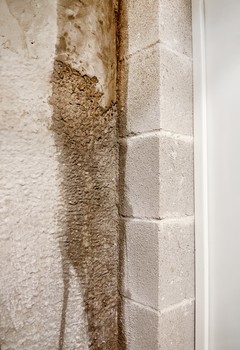
Water is patient, and that patience is exactly what makes it so dangerous to the structure holding up your home. A slow leak near a footing or a few inches of standing water after a storm may not look urgent at first, but the clock starts ticking the moment moisture reaches concrete, block, or soil beneath your house. If you have ever asked how long does it take for water to damage foundation materials, the honest answer is that it depends on the type of water exposure, the material involved, and how quickly the problem is addressed. As experienced restoration contractors in Louisville and the nearby areas, we have seen minor moisture issues escalate into serious structural concerns because they went unnoticed for too long.
Understanding the timeline helps homeowners make faster, smarter decisions. Foundations are built to resist occasional moisture, but they are not designed to sit in constant contact with water. The difference between a quick cleanup and an expensive repair often comes down to a matter of hours and days, not weeks.
The Short Answer: It Starts Faster Than You Think
So how long does it take for water to damage foundation surfaces in a measurable way? Concrete and masonry are porous, which means they begin absorbing moisture almost immediately upon contact. Within the first 24 to 48 hours, water can penetrate hairline cracks, saturate the surface layer, and begin softening the soil that supports the foundation. You may not see dramatic damage this quickly, but the process of deterioration has already begun beneath the surface.
Over the course of a few days to a couple of weeks, continued exposure leads to visible problems. Efflorescence, that white chalky residue on basement walls, signals that water is moving through the concrete. Prolonged saturation weakens the bond in mortar joints, and the surrounding soil can expand or shift, placing uneven pressure on the structure. Left unchecked for months, this cycle produces cracks, bowing walls, and settling that threatens the integrity of the entire building.
Why Different Materials React Differently
Not every foundation responds to water the same way, which is part of why the question of how long does it take for water to damage foundation components has no single answer. Poured concrete is relatively dense but still absorbs moisture through its pores and any existing cracks. Concrete block foundations have hollow cores that can fill with water and hold it against the structure, accelerating deterioration from the inside out. Brick and mortar are especially vulnerable because the mortar erodes faster than the brick itself, loosening the entire assembly over time.
The soil around your foundation matters just as much as the material. Louisville and the surrounding areas have clay-heavy soils that swell when wet and shrink when dry. This constant movement, known as hydrostatic pressure, pushes against foundation walls and can cause cracking even when the concrete itself remains sound. When water lingers in poorly draining soil, that pressure builds steadily and does its damage silently.
Clean Water Versus Contaminated Water
The source of the water also influences how quickly and how severely damage occurs. Clean water from a burst supply line is less destructive in the short term, but it still saturates materials and encourages mold growth if it sits. Groundwater and storm runoff often carry sediment, minerals, and contaminants that accelerate chemical breakdown of concrete and masonry. Sewage or flood water is the most aggressive, introducing bacteria and corrosive compounds that compromise both your foundation and your health.
Regardless of the source, standing water should never be left to evaporate on its own. The longer it remains in contact with structural materials, the deeper it penetrates and the more extensive the eventual repair. Fast, professional 24-hour emergency water damage restoration in the Louisville area can stop that progression before it reaches the point of structural compromise.
Warning Signs Your Foundation Is Taking on Water
Because much of the early damage happens where you cannot easily see it, learning to recognize the warning signs is essential. Catching these indicators early can be the difference between a simple drying project and a major structural repair. Watch for the following clues around your home:
- New or widening cracks in basement walls, floors, or exterior foundation
- A persistent musty odor in the basement or crawl space
- White, powdery efflorescence on concrete or block surfaces
- Doors and windows that suddenly stick or no longer close properly
- Uneven, sloping, or bouncy floors on the level above the foundation
- Pooling water or damp soil that lingers near the foundation after rain
Any one of these signs warrants a closer look. Several appearing together suggest that water has been working on your foundation for a while and professional evaluation is overdue.
How to Protect Your Foundation and Respond Quickly
The best defense against foundation water damage is managing moisture before it ever reaches the structure. Keep gutters clean and make sure downspouts discharge well away from the house. Grade the soil so it slopes away from the foundation, and consider a sump pump or interior drainage system if your basement is prone to dampness. These measures reduce the hydrostatic pressure that drives so much foundation damage in our region.
When water does intrude, speed is everything. The first 24 to 48 hours are critical for extracting standing water, drying saturated materials, and halting the chain reaction that leads to structural harm. Professional restoration teams use industrial pumps, moisture meters, and commercial dehumidifiers to remove water far more thoroughly than household tools allow. Because lingering moisture also invites fungal growth, addressing the problem quickly often prevents the need for certified mold removal in Louisville down the line. If you are unsure whether the damage is serious, it is always safer to have it inspected than to wait and hope it dries out.
When to Call the Professionals
Minor dampness from a small spill might be something you can manage yourself, but any significant intrusion into a foundation deserves expert attention. Trained technicians can determine how far the water has traveled, how much the materials have absorbed, and whether structural drying is needed. They can also identify hidden pockets of moisture inside block cores or beneath flooring that a visual inspection would miss. This thorough approach ensures the problem is truly resolved rather than temporarily hidden.
For homeowners dealing with storm flooding, plumbing failures, or seepage, our team provides fast, dependable water damage restoration in Highview and throughout the broader metro region. We respond quickly because we understand how rapidly water works against your home.
To sum it up, the damage water does to a foundation begins within hours and compounds the longer moisture is allowed to remain. Porous materials, shifting clay soils, and hydrostatic pressure all accelerate the process, so the real answer to how long does it take for water to damage foundation materials is that deterioration can start almost immediately and worsen daily. The smartest thing you can do is act fast at the first sign of trouble. If water has found its way to your foundation, Talk to our team for a prompt assessment and professional cleanup before a minor issue becomes a major one.