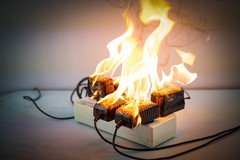
Electrical fires often begin quietly, hidden inside walls or behind outlets, long before anyone notices flames or smells smoke. That silent buildup is exactly what makes them so dangerous. Many homeowners never stop to ask how does an electrical fire? start until they are already dealing with the aftermath. As a damage restoration company in Louisville and its surrounding areas, we have seen how a small wiring problem can turn into a devastating loss when the warning signs go unnoticed.
The good news is that most electrical fires give off clues before they ignite. Learning to recognize those clues can protect your family, your belongings, and your home. In this guide, we will walk through the most common causes, the warning signs to watch for, and the steps you can take to lower your risk.
How Does an Electrical Fire Start in a Home?
So how does an electrical fire? start in the first place? At its core, it comes down to heat. Electrical systems are designed to carry a certain amount of current safely. When something disrupts that balance, whether it is a loose connection, a damaged wire, or an overloaded circuit, resistance builds and generates heat. If that heat has nowhere to escape and finds nearby fuel like wood framing, insulation, or dust, it can spark a fire.
Older homes are especially vulnerable. Many houses built decades ago were never wired to handle the demands of modern appliances, chargers, and electronics. Aging insulation on wires can crack and expose live conductors, while outdated panels may lack the safety features found in newer systems. Over time, everyday wear turns small flaws into serious hazards.
Common Causes Behind Electrical Fires
Understanding how does an electrical fire? start becomes easier when you look at the usual culprits. Faulty wiring is one of the leading causes. Frayed insulation, improperly installed connections, and outdated wiring that no longer meets safety standards can all lead to arcing and overheating. This is one reason professional inspections matter so much in older properties.
Overloaded circuits are another frequent cause. Plugging too many high-wattage devices into a single outlet or relying heavily on power strips and extension cords forces circuits to carry more than they were built to handle. Space heaters, in particular, draw significant power and should never share an outlet with other appliances. Damaged or worn cords also contribute, since a nicked wire or a cord pinched under furniture can quietly overheat until it becomes a fire source.
Faulty appliances and outdated outlets round out the list. Malfunctioning appliances, especially those with heating elements, can short and ignite nearby materials. Loose or worn outlets can create sparks every time a plug is inserted. Any of these issues can smolder for a long time before becoming visible.
Warning Signs You Should Never Ignore
Because electrical fires often develop out of sight, your senses are your best early warning system. Paying attention to small changes around your home can make the difference between a quick repair and a major emergency. Here are the signs that deserve immediate attention:
- A persistent burning or acrid smell with no obvious source, especially near outlets or your electrical panel.
- Outlets or switch plates that feel warm, discolored, or show scorch marks.
- Flickering or dimming lights that occur when appliances turn on.
- Breakers that trip repeatedly or fuses that blow often.
- Buzzing, crackling, or sizzling sounds coming from walls, outlets, or fixtures.
- Mild shocks or tingling when you touch appliances or switches.
Any one of these symptoms suggests that something in your electrical system is not working as it should. When you notice several of them together, treat the situation as urgent and contact a licensed electrician right away.
Why Early Action Matters So Much
The reason we stress prevention is simple. Electrical fires spread quickly and often start in areas that are hard to reach, such as inside walls or attic spaces. By the time flames become visible, the fire may have already traveled through wall cavities and along wiring, causing structural damage far beyond the point of origin. Smoke and soot then spread through the home, damaging belongings and leaving lingering odors that are difficult to remove without professional help.
Understanding how does an electrical fire? start empowers you to act before a spark becomes a crisis. Something as simple as unplugging a space heater at night, replacing a frayed cord, or having an aging panel inspected can dramatically reduce your risk. Smoke detectors on every level of your home, tested regularly, give your family the crucial seconds needed to respond safely.
Preventing Electrical Fires in Your Home
Prevention starts with awareness and a few consistent habits. Avoid overloading outlets and be cautious with extension cords, which are meant for temporary use rather than permanent solutions. Replace any cord that is cracked, frayed, or warm to the touch, and never run cords under rugs where heat can accumulate and damage goes unseen.
Scheduling periodic inspections is one of the smartest investments a homeowner can make, particularly for houses more than a few decades old. A qualified electrician can identify outdated wiring, add modern safety features like arc-fault circuit interrupters, and confirm that your panel can handle your household's electrical load. These proactive steps address the root of the problem rather than waiting for symptoms to appear.
It also helps to be intentional about high-demand appliances. Give major appliances their own dedicated circuits when possible, keep flammable materials away from outlets and heat sources, and turn off or unplug devices you are not actively using. Small routines add up to meaningful protection over time.
When Fire and Smoke Damage Strikes
Even with the best precautions, fires can still happen. When they do, the response you choose in the first hours matters enormously. Soot is acidic and can etch surfaces permanently, while smoke odors settle deep into porous materials. Water used to extinguish the fire can add moisture problems that lead to mold if not handled promptly, which is why our team addresses fire and water concerns together during recovery.
Our crews help homeowners throughout Louisville and the surrounding communities recover after fire and smoke events, from board-up and cleanup to full fire damage restoration and smoke odor removal in Louisville and beyond. If you are outside the city, we also provide fire damage restoration in Goshen, KY and nearby neighborhoods, restoring homes and belongings with care and precision. We understand how overwhelming these moments feel, and we work to make the process as smooth as possible.
Knowing how does an electrical fire? start is the first step toward keeping your home and family safe. Watch for the warning signs, address small problems before they grow, and keep your smoke detectors ready. If the worst does happen, remember that a prompt, professional response can save far more of your home than many people expect. Our team is available around the clock, so reach out anytime you need guidance or emergency help, and we will be there to guide you through every step of recovery.