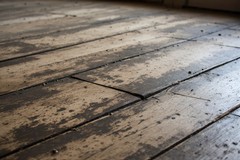
Vinyl flooring has earned a reputation for being tough, water-resistant, and easy to maintain, which is exactly why so many homeowners choose it for kitchens, bathrooms, and basements. But that same water-resistant surface can create a false sense of security. The problem with mold in vinyl flooring is that it rarely announces itself. Instead, it tends to grow quietly in the hidden spaces beneath the planks or tiles, where moisture gets trapped and never fully dries out. By the time you notice something is wrong, the damage may already be well underway. If you ever suspect a hidden moisture problem, our team provides emergency restoration services in Louisville and throughout the region to help you find and address the source before it spreads.
Understanding how and why mold develops under vinyl can save you money, protect your home's air quality, and spare you the headache of a much larger repair down the road. Let's take a closer look at what's really happening beneath that resilient surface.
Why Vinyl Flooring Can Trap Moisture
The very quality that makes vinyl flooring so appealing, its ability to repel water from above, is the same quality that can cause trouble below. When moisture finds its way underneath the flooring, whether from a plumbing leak, a spill that seeps through a seam, high humidity, or rising dampness from a concrete subfloor, the vinyl seals it in. Water that would normally evaporate from a more breathable surface instead stays trapped against the subfloor and adhesive.
Mold needs only three things to flourish: moisture, a food source, and time. The adhesives, dust, and organic residue beneath vinyl provide plenty of food, and trapped moisture supplies the rest. In a humid climate like ours, basements and ground-level rooms are especially vulnerable. This is why mold in vinyl flooring so often goes undetected for weeks or even months, growing steadily in a dark, undisturbed environment where no one thinks to look.
Warning Signs You Shouldn't Ignore
Because the growth happens out of sight, you have to pay attention to the subtle clues your home gives you. A musty, earthy odor that lingers even after cleaning is one of the most common early indicators. If a room smells damp no matter how often you mop or ventilate, the source may be beneath your feet rather than in the air around you.
Visible changes to the flooring itself are another red flag. Watch for planks or tiles that lift at the edges, bubble, cup, or feel soft and spongy when you step on them. Discoloration bleeding through the surface, such as dark spots, yellowing, or a shadowy pattern, can signal that something is growing underneath. Some people also notice an uptick in allergy-like symptoms, including sneezing, congestion, or irritated eyes, particularly when spending time in the affected room. None of these signs guarantees mold, but together they make a strong case for a closer inspection.
The Health and Structural Risks of Hidden Mold
Mold is more than a cosmetic nuisance. When it grows unchecked beneath vinyl flooring, it releases spores that circulate through your home's air every time the flooring flexes or air moves across the subfloor. For people with asthma, allergies, or weakened immune systems, prolonged exposure can aggravate respiratory issues and lead to ongoing discomfort.
There's a structural cost as well. The same moisture that feeds mold also breaks down the subfloor over time. Plywood and OSB can swell, warp, and lose their integrity, while concrete can develop persistent dampness that compromises adhesives and finishes. What begins as a small, hidden patch of mold in vinyl flooring can eventually require replacing the subfloor, not just the surface material. Addressing the moisture early is almost always far less expensive than rebuilding later.
How to Check for Mold Beneath Your Vinyl Flooring
If you suspect a problem, a careful inspection can tell you a lot before you ever call a professional. Start in the areas most likely to hold moisture, such as bathrooms, laundry rooms, kitchens, and basements. The following signs are worth examining closely:
- Soft, spongy, or uneven spots when you walk across the floor
- Edges or seams that are lifting, curling, or separating
- A persistent musty smell concentrated in one room
- Dark staining or discoloration showing through the vinyl
- Visible condensation or dampness along baseboards and walls
If it is safe to do so, gently lifting a loose edge or a tile in a corner can reveal whether moisture or discoloration is present underneath. That said, disturbing active mold can release spores into the air, so if you find anything suspicious, it's wise to stop and bring in trained professionals rather than risk spreading the contamination throughout your home.
What Professional Remediation Involves
Successfully dealing with mold under flooring is about more than scrubbing away what you can see. The real work lies in identifying and eliminating the moisture source, because mold will simply return if the underlying problem remains. A thorough approach begins with moisture mapping and inspection to pinpoint where water is entering and how far it has traveled. Specialists use meters and sometimes infrared tools to find dampness hidden within subfloors and walls.
From there, the affected flooring and any compromised subfloor material are carefully removed and contained to prevent spores from migrating to clean areas. The space is then cleaned, treated, and thoroughly dried using professional-grade equipment before any new flooring goes down. This is where expertise matters most, since drying a concrete slab or a saturated wood subfloor correctly takes the right tools and the right amount of time. Our team's certified mold removal in Louisville, KY follows this kind of structured process to make sure the problem is resolved at its root. Because hidden moisture is so often tied to leaks and flooding, pairing remediation with water damage restoration in the Louisville area helps ensure the conditions that caused the mold don't come back.
Preventing Future Growth
Once you've dealt with a mold issue, a few habits can keep it from returning. Managing indoor humidity is the single most effective step, so running a dehumidifier in basements and using exhaust fans in bathrooms and kitchens makes a real difference. Clean up spills promptly and avoid letting water sit along seams or baseboards, even briefly.
When installing new vinyl flooring, especially over concrete, consider a proper moisture barrier and make sure the subfloor is completely dry beforehand. Periodically inspect the areas most prone to dampness, and act quickly at the first hint of a musty smell or a soft spot. Catching a problem early is the surest way to avoid the extensive work that comes with a well-established infestation of mold in vinyl flooring.
Hidden mold is one of those household problems that rewards vigilance. The sooner you recognize the warning signs, trace them back to their source, and address the moisture driving them, the less you'll have to spend and the healthier your home will be. Vinyl flooring can last for years when it's installed and maintained properly, but it needs a dry foundation to do so.
If you've noticed any of the symptoms described here, or you simply want peace of mind after a leak or flood, don't wait for the damage to grow. We proudly serve homeowners throughout Louisville and the surrounding areas, and we also offer mold removal and remediation in Clarksville, IN. Reach out for an inspection, and let our experienced team help you protect what's beneath the surface before small problems become big ones.