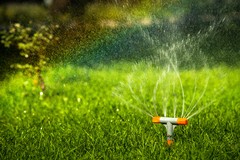
Kentucky weather has a way of swinging between extremes, and periods of dry conditions can prompt local utilities to ask residents to cut back on water use. When that happens, understanding water restrictions in Louisville, KY becomes more than a matter of watering the lawn on the right day. It affects how homeowners and business owners manage their properties, respond to leaks, and prepare for the unexpected. And when water problems do strike, whether from a burst pipe or a storm, our team is ready with emergency restoration services in Louisville, KY to help you recover quickly.
Water restrictions are rarely as simple as they first appear. They can influence everything from your daily routine to how you handle a plumbing emergency. This guide walks through what property owners should expect, why these rules exist, and how to stay prepared so that a temporary limit on water use never turns into a costly problem.
Why Water Restrictions Happen
Local governments and water utilities put limits in place to protect a shared resource during times of strain. Extended dry spells, low reservoir levels, aging infrastructure, and unusually high demand can all trigger conservation measures. During the hottest stretches of summer, demand often spikes as residents water gardens, fill pools, and try to keep landscapes green, which puts additional pressure on the system.
Restrictions are generally designed to spread out and reduce nonessential water use so that essential needs, such as drinking water, sanitation, and firefighting capacity, remain fully available. Understanding this bigger picture helps property owners see restrictions not as an inconvenience but as a practical response to real conditions affecting the community.
What Water Restrictions in Louisville, KY Typically Involve
Every restriction period is a little different depending on the severity of conditions and the utility issuing the guidance. That said, most measures fall into predictable categories. When water restrictions in Louisville, KY are announced, property owners can generally expect limits that focus on outdoor and nonessential water usage first, since indoor needs are considered a priority.
Common measures include restrictions on lawn and landscape watering, limits on washing vehicles at home, guidance around filling swimming pools, and requests to avoid hosing down driveways or sidewalks. In more serious situations, restrictions may extend to certain commercial operations that use large volumes of water. The key is to stay informed, because the specifics can change quickly based on rainfall and reservoir data.
Property owners should pay attention to a few things during any restriction period:
- The type of restriction in effect, whether voluntary or mandatory, since penalties may apply to mandatory limits.
- The permitted days and times for any allowed outdoor watering.
- Exemptions that may apply for new landscaping, agricultural use, or health and safety needs.
How Restrictions Affect Property Maintenance and Repairs
One aspect of water restrictions that catches many property owners off guard is how the rules intersect with maintenance and emergency repairs. When outdoor water use is limited, some people delay routine tasks that involve water, which is usually fine. Problems arise when a genuine emergency, such as a leak or a supply issue, occurs during a restriction period and the owner hesitates to act.
The good news is that restrictions almost always allow for essential repairs and health related needs. Fixing a leaking pipe, addressing a sewage backup, or responding to water intrusion after a storm are not the same as watering a lawn. In fact, promptly repairing leaks supports the goal of conservation by preventing wasted water. If you are ever unsure whether an action is permitted, checking with your utility provides clarity, and documenting emergency repairs is always a smart practice.
Dry conditions can also create their own risks. Shifting soil around foundations, drying and cracking materials, and stressed plumbing can all contribute to sudden failures once water flow returns to normal or when a heavy rain finally arrives. That is why staying attentive during a restriction period matters just as much as during any other time of year.
Protecting Your Property Before, During, and After a Restriction
Preparation makes restriction periods far less stressful. Before dry conditions set in, it helps to inspect your plumbing, check for slow leaks, and make sure outdoor fixtures are in good working order. Small drips waste significant water over time and can worsen when systems are under strain. Addressing these issues early keeps you compliant and protects your property.
During a restriction, focus your limited water use on genuine needs and keep an eye out for warning signs of trouble. Unexplained increases in your water bill, damp spots, musty odors, or reduced water pressure can all indicate hidden problems. Catching these signs early prevents them from becoming major issues. If moisture lingers where it should not, it can lead to mold growth, which is why our certified mold removal in Louisville, KY team stays busy addressing problems that started as small, overlooked leaks.
Once restrictions lift and normal water use resumes, take time to check systems that sat idle. Irrigation lines, outdoor spigots, and appliances that use water should be inspected before heavy use returns. A sudden surge of demand on components that have been dry for weeks can occasionally reveal weaknesses that were not visible before.
When Water Problems Require Professional Help
Even the most careful property owners can face water damage that goes beyond a simple do it yourself fix. Burst pipes, appliance failures, and storm driven water intrusion do not wait for convenient timing, and they certainly do not pause because water restrictions in Louisville, KY happen to be in effect. When that happens, fast and professional intervention protects both your property and your budget.
Our team handles these situations every day, providing 24-hour emergency water damage restoration in Louisville, KY for homes and businesses across the region. Rapid water extraction, thorough drying, and careful monitoring prevent secondary damage such as warped flooring, ruined drywall, and mold. Acting quickly is always the best way to limit both the cost and the disruption of a water emergency.
Water restrictions and water damage may seem like opposite concerns, but they are closely linked. Both come down to managing water responsibly and responding to problems before they escalate. Whether you are conserving during a dry spell or cleaning up after an unexpected flood, a proactive mindset serves you well.
Staying Ready No Matter the Conditions
Understanding water restrictions in Louisville, KY gives property owners a clear advantage. When you know why restrictions happen, what to expect, and how they affect maintenance, you can stay compliant while still protecting your home or business. The most important takeaways are simple. Stay informed about current rules, prioritize essential water needs, repair leaks promptly, and never delay addressing a true emergency out of concern for a restriction.
For property owners in Louisville and the surrounding areas, having a trusted restoration partner ready to respond makes all the difference. From sudden leaks to major storm cleanup, our crews bring the training and equipment needed to restore your property with minimal disruption. We also serve nearby communities, offering dependable water damage restoration in Jeffersontown, KY and beyond.
Water challenges take many forms throughout the year, and preparation is your best defense against all of them. If you have questions about protecting your property, want to learn more about our full range of restoration and property damage repair services, or need help right now, reach out to our team. We are here around the clock to help you respond confidently, no matter the conditions.