Understanding the danger lurking behind different types of fires can significantly mitigate their devastating impacts. Fires are not all created equal; each class poses unique challenges and demands specific solutions. In this context, the term "five classes of fire" plays a crucial role. Whether safeguarding a home, business, or loved ones, being informed dramatically reduces risk and potential damage. This knowledge becomes even more essential for Purofirst Disaster Services, which provides emergency restoration services in places like Louisville. A nuanced understanding of fire classes ensures that professionals and residents take the right steps when facing these threatening scenarios.
Fires are categorized to define the type of fuel or the agent with which they interact. Recognizing these categories not only assists in choosing the appropriate extinguishing method but also enhances safety protocols. This blog will dive into each of the five classes of fire, offering insights to better prepare you for potential threats and align with your safety priorities. Providing details on these classes serves not just as academic knowledge, but as practical data that could someday protect your investments, home, or professional environment.
The Five Classes of Fire: An Overview
Class A Fires: Ordinary Combustibles
Class A fires ignite from everyday materials such as wood, paper, or fabric. These fires are most commonly found in homes and offices, making them a frequent topic for fire departments and safety trainers. The combustibles' prevalence adds to their threat level, as these materials easily catch fire and serve as fuel. Extinguishing Class A fires typically involves water or foam to reduce the fire's temperature, making the environment cooler and safer.
However, that's not the only measure to consider. Avoiding clutter in living and working spaces and ensuring electrical outlets are not overburdened can help prevent these types of fires. While preparation is key, knowing how to react when a Class A fire occurs cannot be overstated. A fire extinguisher rated for Class A fires is an indispensable tool for immediate response.
Class B Fires: Flammable Liquids
Class B fires occur from flammable liquids such as gasoline, oil, or alcohol. These substances are primarily found in industrial environments, garages, or kitchen areas where oils are commonly used. Unlike Class A fires, water isn’t effective in extinguishing Class B fires, and may even exacerbate the situation. Instead, extinguishing agents like dry chemical powders or carbon dioxide are more effective as they smother the flames and cut off the oxygen supply.
Safety measures should include proper storage and rigorous management of these liquids. In environments like a garage or workshop, keeping flammable substances well-sealed and away from heat sources remains a vital protocol. As with Class A fires, having the correct type of extinguisher readily available can make a dramatic difference in minimizing damage and injury.
Class C Fires: Electrical
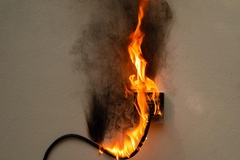
Class C fires originate from energized electrical equipment, like appliances, wiring, circuit breakers, and machinery. These fires are dangerous due to the risk of electrical shock, highlighting the need for cautious handling. Water should never be used on Class C fires due to its conductivity. Instead, a non-conductive extinguishing agent, such as dry chemical, is recommended.
Ensuring electrical systems are well-maintained is the best defense against Class C fires. Regular inspections and upgrades to electrical panels can prevent overload and potential ignition. Additionally, integrating safety features like ground-fault circuit interrupters (GFCIs) in homes, particularly in moisture-prone areas, is advisable to provide an extra layer of protection.
Class D Fires: Metal
Class D fires are less common but can occur in environments dealing with metals like magnesium, titanium, or sodium. These metals may ignite and burn at extremely high temperatures. Such fires primarily occur in industrial settings rather than residential spaces. These types of fires require specific powders, such as dry powders, to absorb the heat and control the flames effectively.
The nature of these metals demands specialized knowledge for safe handling. Regular safety drills, adhering to storage guidelines, and keeping extinguishing agents specifically designed for Class D fires nearby offer the best defense mechanisms. These unique fire scenarios highlight the importance of understanding site-specific risks, particularly in industrial and manufacturing environments.
Class K Fires: Cooking Oils and Fats
Finally, Class K fires stem from cooking oils and fats, prevalent in commercial kitchens but increasingly common in home settings with deep fryers. These fires are hazardous due to the rapid temperature changes associated with these substances. Water will not extinguish Class K fires; it can cause the oil to splash and spread the fire. Specialized wet chemical extinguishers are effective as they cool and emulsify the oil, inhibiting the fire’s re-ignition.
Home chefs and restaurant workers should prioritize using proper safety measures when cooking, such as keeping heat at manageable levels and ensuring that the cooking area is free from unnecessary flammable materials. Understanding the unique nature of Class K fires can assist in fostering safer cooking practices and preventing potential flare-ups.
Preventive Measures and Emergency Response
A key takeaway from understanding the five classes of fire is knowing that prevention plays as critical a role as response. Regular safety drills and inspections are paramount, and they must be aligned with tailored strategies based on each class of fire. It's essential to have the correct type of fire extinguishers readily available and know how to use them effectively. Education is empowerment. If industry leaders like Purofirst Disaster Services offer fire damage restoration in Louisville and beyond, their expertise could prove invaluable in developing proactive strategies and remedial measures after an incident.
Additionally, understanding the five classes of fire leads to a broader awareness of the potential hazards in our surroundings. Regular maintenance checks and updates to safety measures should be routine, whether in homes or commercial spaces. By investing time in education and readiness, potential fires can be dealt with swiftly, reducing both damage and personal risk.
Engage With Local Experts for Unmatched Assurance
Given the potential hazards associated with different classes of fires, working with professionals like Purofirst Disaster Services for tasks such as water damage restoration or fire damage restoration in Okolona and its nearby areas provides peace of mind. Their trained experts offer comprehensive emergency services designed to save both property and lives. The response from seasoned professionals ensures that both prevention tactics and reactive strategies are well executed.
Whether you are seeking guidance on setting up a safer environment or require immediate restoration services after a fire incident, professionals provide customized solutions to meet your specific needs. Lean on companies that understand local regulations and hazards for a response tailored to the infrastructure and environmental conditions specific to locations like Louisville, KY, and beyond.
With insights from this guide, you are better equipped to protect your most precious resources. And when in doubt, reaching out to a trusted service provider can transform overwhelming situations into manageable tasks, turning vulnerability into resilience. Let the knowledge of the five classes of fire be a foundational ally in fire safety planning and response.