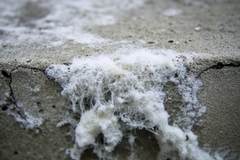
When we think of mold, it's easy to imagine dark, damp areas inside buildings or homes where it often thrives. However, an unusual type, known as white hairy mold on concrete, can appear in less likely places, such as your yard, patio, or garage floor. White hairy mold on concrete can be an unexpected and unsightly problem for homeowners and property managers, especially when left untreated, as it can indicate more serious underlying issues. Unsurprisingly, many turn to seasoned restoration contractors in Louisville and its nearby vicinities to address such challenges effectively.
At first glance, white hairy mold might seem like a minor aesthetic problem, a harmless blemish on your concrete surfaces. But its presence can be a sign of persistent moisture issues, which may have significant implications for the integrity of concrete structures. Understanding what causes this type of mold and how to address it is essential. In this blog post, we will explore the causes of white hairy mold on concrete, its potential implications, and how professional intervention can help preserve the integrity of your property for the long term.
Identifying White Hairy Mold on Concrete
White hairy mold on concrete typically appears as fuzzy, thread-like growth over concrete surfaces. Its distinctive hair-like appearance can easily be mistaken for other organic material or debris, making it harder to identify for those without experience in mold diagnostics. Part of the mold's unusual presentation results from the nature of concrete itself. Unlike softer materials that readily absorb moisture, concrete is a dense, hard material that traps moisture below its surface, creating optimal conditions for mold development.
The primary factor contributing to the growth of white hairy mold on concrete is excess moisture. Environmental conditions such as rainfall, high humidity, and even flooding from leaking plumbing or outdoor water features can introduce substantial moisture to an area. Structural problems or poor drainage may further exacerbate these issues, turning concrete surfaces into unintentional breeding grounds for mold. Understanding these causes is crucial to diagnosing severity. In some cases, the presence of white hairy mold will serve as a red flag that other water-related damages, like those requiring water damage restoration, may also need addressing.
The Impact of White Hairy Mold on Structural Integrity
White hairy mold on concrete may seem cosmetic, but its implications go deeper. Over time, persistent mold growth can lead to more extensive structural concerns. Moisture retained in concrete surfaces as a result of poor drainage or leaks can cause the concrete to weaken or develop cracks over time. As these cracks deepen and widen, they can quickly spread, affecting the structural integrity of walls, floors, or outdoor features that rely on concrete stability.
In severe cases, when concrete continues to absorb excess moisture, it can become porous. The compromised concrete is then increasingly vulnerable to further growth of mold sporulation, freeze-thaw cycles, and stress from environmental factors. The potential for costly repairs underscores why it's essential to act swiftly against mold risks and why property owners often enlist services like mold removal and remediation in Louisville to prevent long-term deterioration.
Addressing White Hairy Mold: Steps to Take
Mitigating mold on concrete begins with an accurate identification of its cause and extent. Once identified, it’s important to remove the mold effectively. In this regard, professional services often surpass DIY methods due to the specialization, tools, and knowledge involved. Here are general steps and considerations to help address white hairy mold on concrete:
- Assessment and Inspection: Start at the source by identifying all visible mold and signs of moisture. Knowing the source of moisture will guide subsequent remediation efforts.
- Removal: Engage professionals who can safely remove and dispose of mold. Skipping this step or opting for inadequate cleaning methods can allow spores to remain and spread.
- Moisture Control: Identifying and fixing leaks, improving drainage, and using dehumidifiers to combat humidity are crucial steps to prevent mold recurrence.
- Sealing Concrete: Once cleaned and dried, sealing the concrete with an appropriate sealant prevents future penetration from moisture.
- Professional Monitoring: Regular monitoring and maintenance by restoration experts ensures that mold issues remain resolved long-term, protecting concrete surfaces and maintaining property value.
By precisely targeting the root causes of white hairy mold on concrete, these steps not only remove visible mold but also create conditions less conducive to mold regrowth, safeguarding both the aesthetic and structural components of concrete surfaces.
Why Expert Mold Remediation is Essential
The reasons to enlist professional help for white hairy mold on concrete restoration are multifold. First, experts have sophisticated diagnostic tools that accurately assess mold level and its impact, which oftentimes aren't available to the average property owner. Second, restoration professionals utilize specialized equipment and safety protocols to ensure mold is effectively removed without dispersing spores into the air or contaminating other areas. Finally, these professionals create tailored plans for moisture control and prevention, ranging from foundation repairs to humidity and air quality management. Purofirst Disaster Services specializes in mold and moisture problems, offering comprehensive solutions for property maintenance and recovery.
Ignoring white hairy mold issues can lead to enduring structural damage, affecting resale values and even compromising safety, particularly if mold spreads to high-traffic personal or commercial zones. Restoration contractors in Louisville recognize the nuanced dynamics between moisture and mold, offering informed assessments as well as strategic interventions to restore property integrity with minimal downtime or disruption.
Mold Removal and Remediation Across Louisville and Beyond
Mold-related challenges aren't unique to one locale, affecting homeowners and industries across metropolitan and suburban areas alike. Be it residential properties, retail spaces, or industrial facilities, timely intervention in mold and moisture management prevents escalating damage and unexpected costs. Purofirst Disaster Services operates seamlessly across the Louisville area, emphasizing prevention and long-term resilience through our various offerings in both Kentucky and nearby Iowa cities.
Remember, white hairy mold on concrete is not just a superficial issue. It is a complex problem that requires a strategic, multi-faceted approach for removal and long-term prevention. Working with professional restoration contractors, whether you're dealing with contents restoration and cleaning in Jeffersonville, IN or fire damage restoration in Jeffersontown, KY, ensures a holistic approach to property management and mold prevention.
Mold issues require awareness, preparedness, and professional support. Ensure your property's structural integrity and resolve moisture-related problems swiftly with expert guidance. At Purofirst Disaster Services, we are here to assist with specialized services to protect homes and businesses in Louisville and beyond. Connect with us today to ensure a mold-free environment and peace of mind.