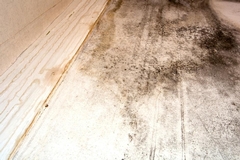
Dealing with mold is not just an inconvenience but a significant concern, especially when it comes to foundational materials like plywood. The presence of mold on plywood is a common issue that many homeowners face, and understanding its causes, risks, and removal methods is crucial for maintaining a safe and healthy home. For those in need, damage restoration services in Louisville, KY, offer comprehensive solutions to these pervasive issues. Mold on plywood can compromise structural integrity and diminish air quality, making it imperative to tackle it effectively.
In this blog post, we will explore the reasons why mold develops on plywood, the potential health and structural risks it poses, and the most efficient ways to remove it. By the end, you'll have a clearer understanding of how to safeguard your home from this persistent threat.
Causes of Mold on Plywood
Mold needs three main elements to thrive: moisture, warmth, and a nutrient source. Plywood offers an ideal environment for mold growth as it is made from layers of wood veneer, providing ample nutrients. Typically, plywood is used in places prone to moisture accumulation, such as basements, attics, and bathrooms. When moisture is introduced, whether from leaks, flooding, or high humidity levels, it creates the perfect habitat for mold.
Another contributing factor is inadequate ventilation, which can exacerbate the problem. Homes in humid climates, such as Louisville, KY, are particularly vulnerable due to the naturally high moisture levels in the air. Poor airflow traps moisture within wood structures, allowing mold to proliferate rapidly.
Risks Associated with Mold on Plywood
The risks associated with mold on plywood are twofold: health risks and structural risks. From a health perspective, exposure to mold spores can lead to respiratory problems, allergic reactions, and other health issues, particularly in individuals with pre-existing respiratory conditions or weakened immune systems.
Structurally, mold can significantly weaken plywood, leading to compromised buildings and costly repairs. As the mold digests the organic materials within the plywood, it can cause the wood to deteriorate, resulting in sagging floors or weakened walls that can pose dangers to the home's stability.
How to Identify Mold on Plywood
Identifying mold on plywood can sometimes be tricky, as it often starts in hidden areas. Key signs include:
- Visible discoloration: Mold typically appears as green, black, or white spots on the plywood.
- Musty odor: Mold has a distinct smell, often described as musty or earthy.
- Increased allergic reactions: Health symptoms such as sneezing, coughing, and itchy eyes when near the affected area.
If you notice any of these indications, it's time to take action to remove the mold and prevent further growth.
Effective Mold Removal Techniques
Before venturing into mold removal, ensure you're equipped with the proper safety gear, such as gloves, masks, and goggles, to prevent exposure to mold spores. If the mold-affected areas are extensive, it may be wise to consult professionals specializing in water damage restoration in Louisville to handle the situation safely and effectively.
Here's a simplified method to remove mold from plywood:
- Identify the Source of Moisture: First, locate and resolve the source of moisture contributing to mold growth. This might involve repairing leaks, improving drainage, or enhancing ventilation.
- Prepare the Work Area: Clear the area of any items and cover adjacent surfaces to protect them from mold spores during cleaning.
- Clean the Mold: Use a solution of water and detergent to scrub the moldy area. Stubborn mold may require a solution of water and white vinegar for more effective removal.
- Dry the Area Completely: After cleaning, thoroughly dry the plywood to prevent mold from returning. Fans and dehumidifiers can expedite drying.
- Dispose of Contaminated Materials Safely: Seal any materials that can't be cleaned and dispose of them according to local regulations.
Preventing Mold Growth in the Future
Prevention is always better than cure, and several strategies can help keep mold from returning. Regular inspections, especially after any water intrusion events, are essential. Maintain low indoor humidity levels, ideally below 60%, by using dehumidifiers in damp areas. Additionally, ensure your home's ventilation systems are effective and that areas prone to moisture have adequate airflow.
Sealing plywood with mold-resistant paint or primer can also provide an extra layer of protection against mold growth. By taking these proactive steps, you can significantly reduce the risk of mold recurrence in your home.
Choosing Professional Help for Mold Issues
When facing a severe mold problem, it's beneficial to consult experts in mold removal and remediation in Louisville. Professional services bring specialized equipment and expertise, ensuring comprehensive mold removal and prevention measures. Many homeowners find peace of mind in knowing that their homes are thoroughly assessed and treated for mold by specialists who understand the intricacies of the problem.
At Purofirst Disaster Services, we offer tailored and professional restoration services that address mold challenges at their core. From initial consultation to final restoration, our team ensures your home returns to a healthy state quickly and efficiently.
Securing Your Home Against Mold with Purofirst Disaster Services
Mold on plywood is a persistent threat that homeowners should take seriously. With the right knowledge and tools, you can address and prevent mold issues, maintaining a safe and healthy living environment. When you need more than just a DIY solution, consider the expertise of services specializing in mold removal and remediation in Highview. Purofirst Disaster Services stands ready to assist, providing the support and services you need to keep your home free of mold and other damage-related concerns. Whether your issue extends beyond mold to other types of restoration needs, such as storm or water damage, our team is prepared to deliver top-notch service. Contact us today to learn more about how we can help protect and restore your home.